

© Fraunhofer FHR
© Fraunhofer FHR
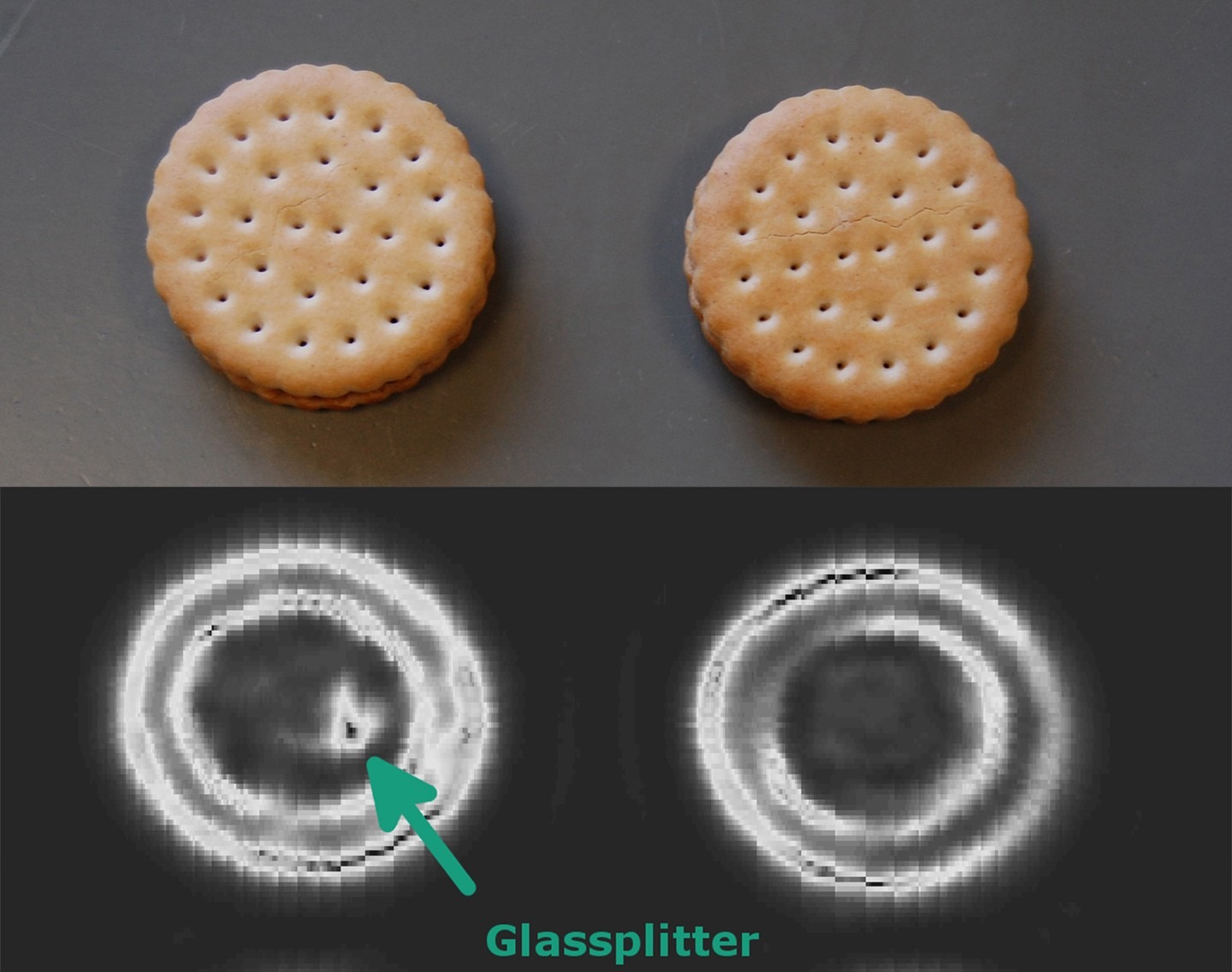
Despite stringent standards, foreign objects such as glass, plastic, wood, or metal shavings may inadvertently enter food products during production. However, X-ray systems detect such inclusions only to a limited extent. Particularly when materials exhibit similar attenuation coefficients, such as glass fragments embedded in chocolate. In addition, they require stringent safety precautions. A rapid, safe, material-penetrating, and highly sensitive method for inline inspection could provide an additional level of assurance.
Terahertz and millimeter-wave radar systems penetrate non-conductive materials and, by exploiting both amplitude and phase information, generate high-contrast images. Even in cases with similar attenuation characteristics. Researchers at Fraunhofer FHR have therefore developed feasibility demonstrators for both laboratory and inline systems: µRADAS, a high-resolution tomographic THz system, and the conveyor-compatible millimeter-wave system SAMMI® for continuous quality monitoring. SAMMI® uses rotating transmit and receive units to automatically inspect food products of widely varying shapes.
Both systems reliably detect foreign objects in food products, even through packaging (except conductive packaging). The conveyor-compatible millimeter-wave system additionally visualizes missing or incorrectly positioned contents, as in the case of advent calendars. Both systems operate using non-ionizing radiation, enhance quality assurance, and open perspectives for faster inline inspection as well as extended applications, for example in non-destructive product testing.
More Info:
© Fraunhofer FHR
© Fraunhofer FHR
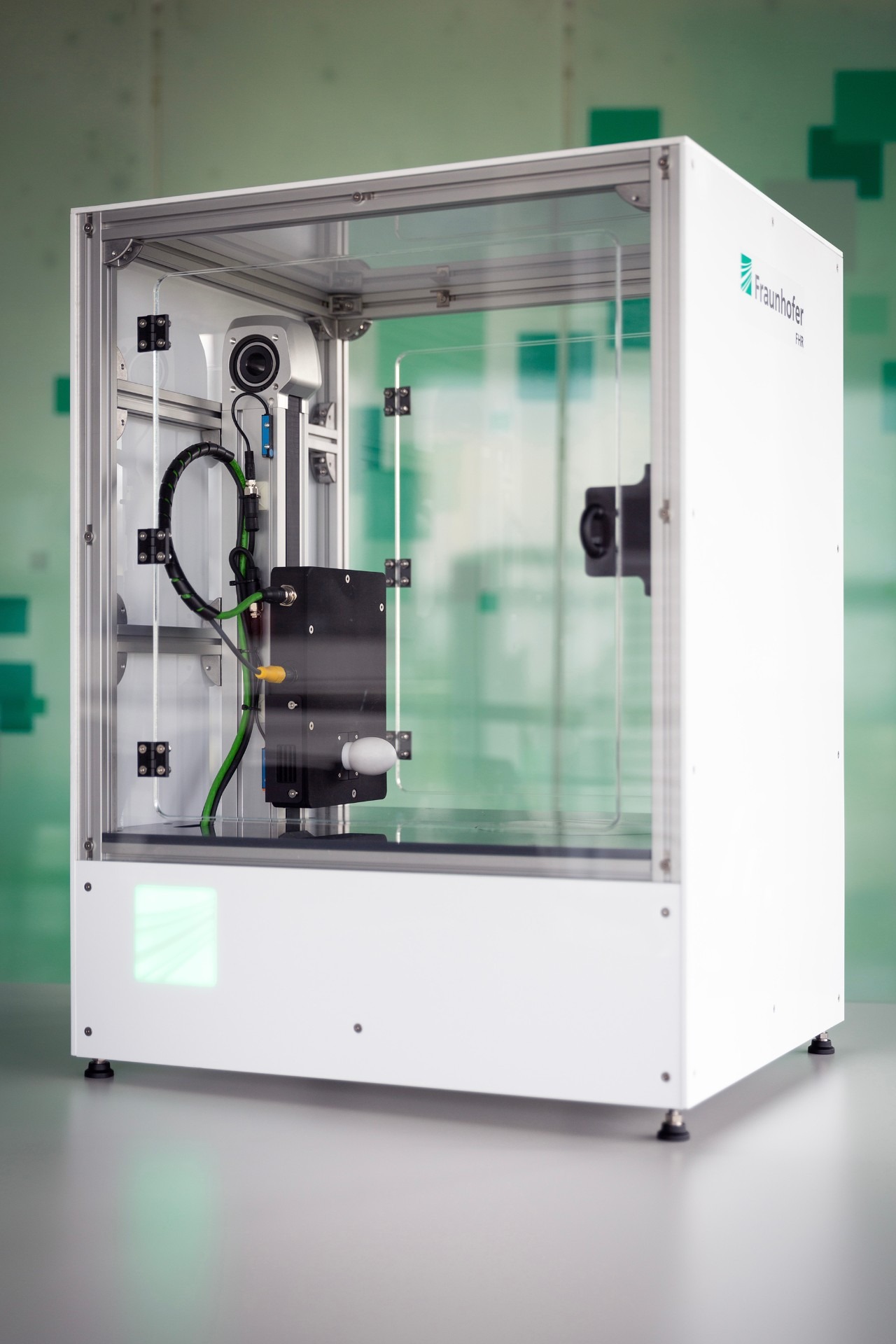
Achieving high quality and efficient production of plastic tubes requires precise measurement during extrusion. This includes wall thickness, layer thickness, diameter, ovality, and material distribution such as sagging. Previous systems captured only partial aspects or were sensitive to temperature or material variations. Some solutions, like X-ray systems, also incurred additional costs. A solution was needed to provide all relevant parameters close to real time and independently of environmental conditions.
FMCW radars (Frequency Modulated Continuous Wave) are well suited for penetrating plastics with low absorption and for measuring all required properties independently of environmental influences. However, standard instruments offered insufficient resolution. By increasing the bandwidth to 80–300 GHz and employing multiple distributed transceivers, a rotating measurement head, and dedicated evaluation software, the systems were optimized for rapid measurement of cylindrical plastic objects.
The new FMCW systems measure pipes with wall thicknesses of 1–2 cm and diameters of up to 120 cm. They reliably determine inner and outer diameters, wall thickness, ovality, and surface characteristics early in the extrusion process. In addition, they detect interfacial layers in multilayer tubes and determine layer thicknesses. They work almost in real time and independently of temperature, material properties, and visibility conditions, both in the hot zone and during cooling.
Project Partners: Fraunhofer FHR, Sikora AG, Kunststoffzentrum KSZ
More Info:

© Fraunhofer FHR
© Fraunhofer IMS
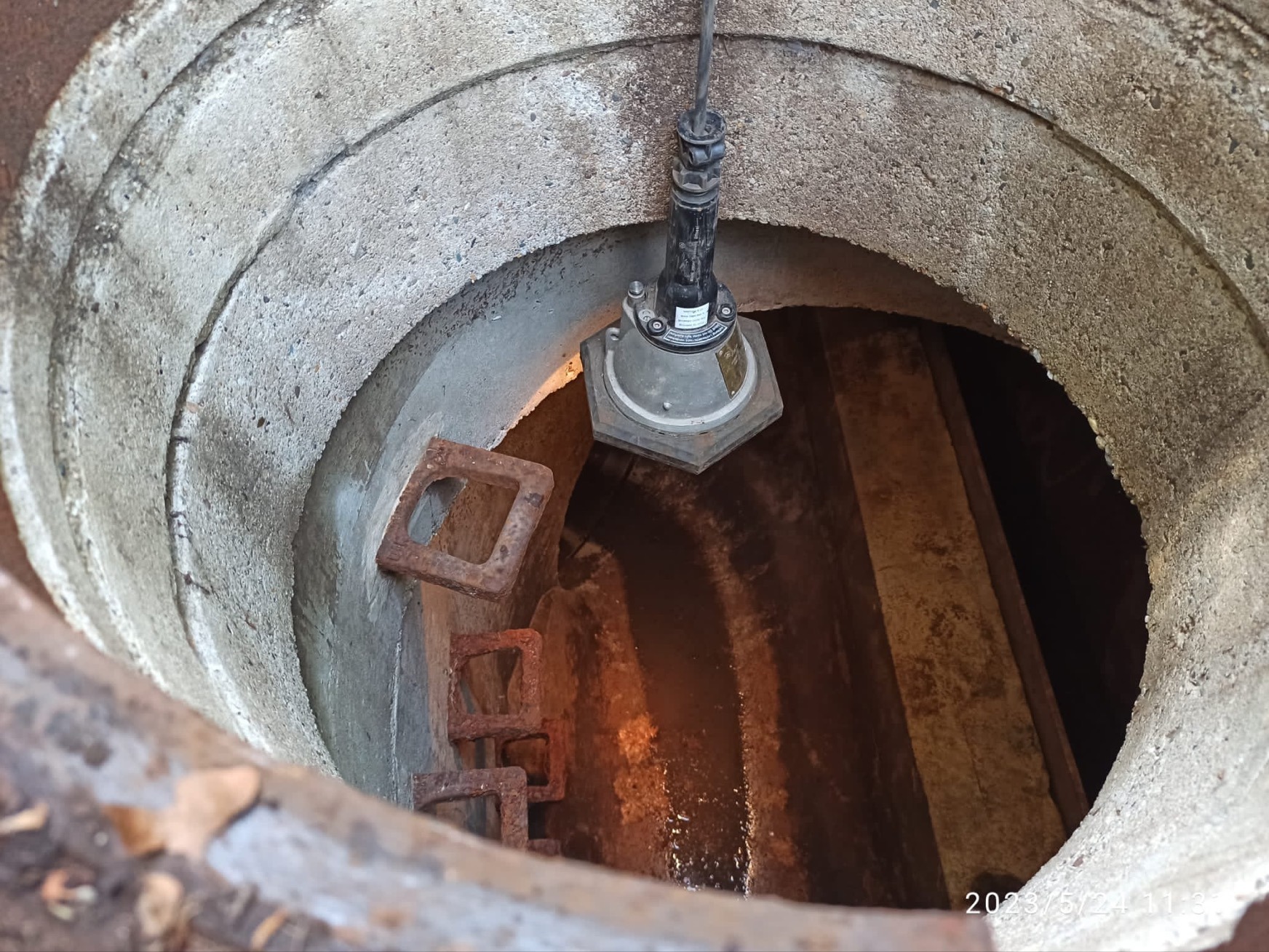
Rolling mills operate under extreme conditions: red-hot steel, intense vibrations, scale, and water vapor place severe stress on conventional inline sensor systems or prevent their use altogether. At the same time, high measurement accuracy (±1 mm), fail-safe 24/7 operation, temperature stability from −10°C to 55°C, and straightforward integration are required. As a result, production with excess width – entailing high energy consumption and increased costs – has traditionally been common practice. A robust, precise, and more sustainable measurement solution to reduce excess width and trim losses, thereby lowering energy consumption and CO₂ emissions due to reduced remelting requirements, was therefore needed.
In collaboration with IMS Messsysteme GmbH, Fraunhofer FHR developed a radar-based width measurement system. It consists of two FMCW radars that independently measure the distance to the steel strip from the left and right sides of the measurement position. Through targeted calibration, strip width and center position can be determined with high precision. It achieved stable accuracies of ±0.5 mm both in laboratory testing and under real operating conditions. Thanks to its compact design, independently operating sensors and robust sensor technology, the system enables the flexible installation tailored to the specific measurement location.
Since 2017, a fully industrialized version of the radar-based width measurement system has been in operation in the hot strip mill of Salzgitter Flachstahl GmbH. The system measures strip width reliably, precisely, and without interference inline in continuous 24/7 operation.
To further reduce energy consumption and costs, Fraunhofer FHR, Ruhr University Bochum, IMS Messsysteme GmbH, SMS Group GmbH, and IMST GmbH are collaborating within the funded project ASRA (Adaptive control of steel strips in hot rolling mills based on high‑precision radar signal processing). The project explores how cutting-edge radar and chip technology, combined with advanced signal processing, can enable faster and more accurate width measurements. By detecting the contour, head, and tail of the rolling stock, the partners aim to significantly improve precision in hot rolling processes.
More Info:
© Fraunhofer FHR
© Fraunhofer FHR
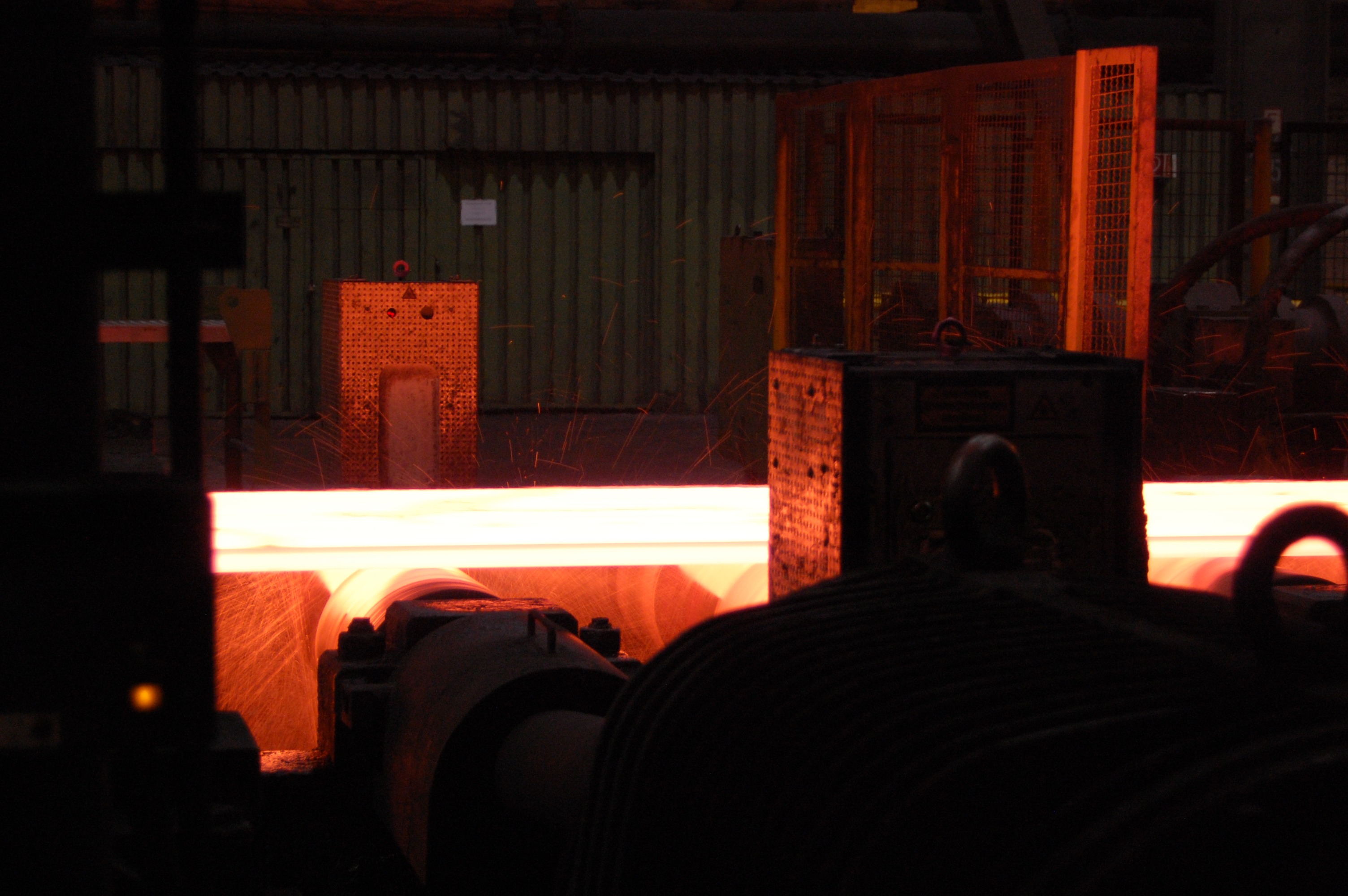
The thickness of steel sheets must be maintained consistently along the entire strip length and without significant fluctuations to ensure reliable downstream processing. Optical systems fail under the harsh environmental conditions in rolling mills, while X-ray systems are suitable only for thin materials. Isotope-based methods on the other hand require extensive radiation protection measures. A robust and precise measurement method without radioactive radiation sources, capable of keeping pace with strip speeds of up to 20 km/h, is expected to enhance quality, safety, and sustainability in the future.
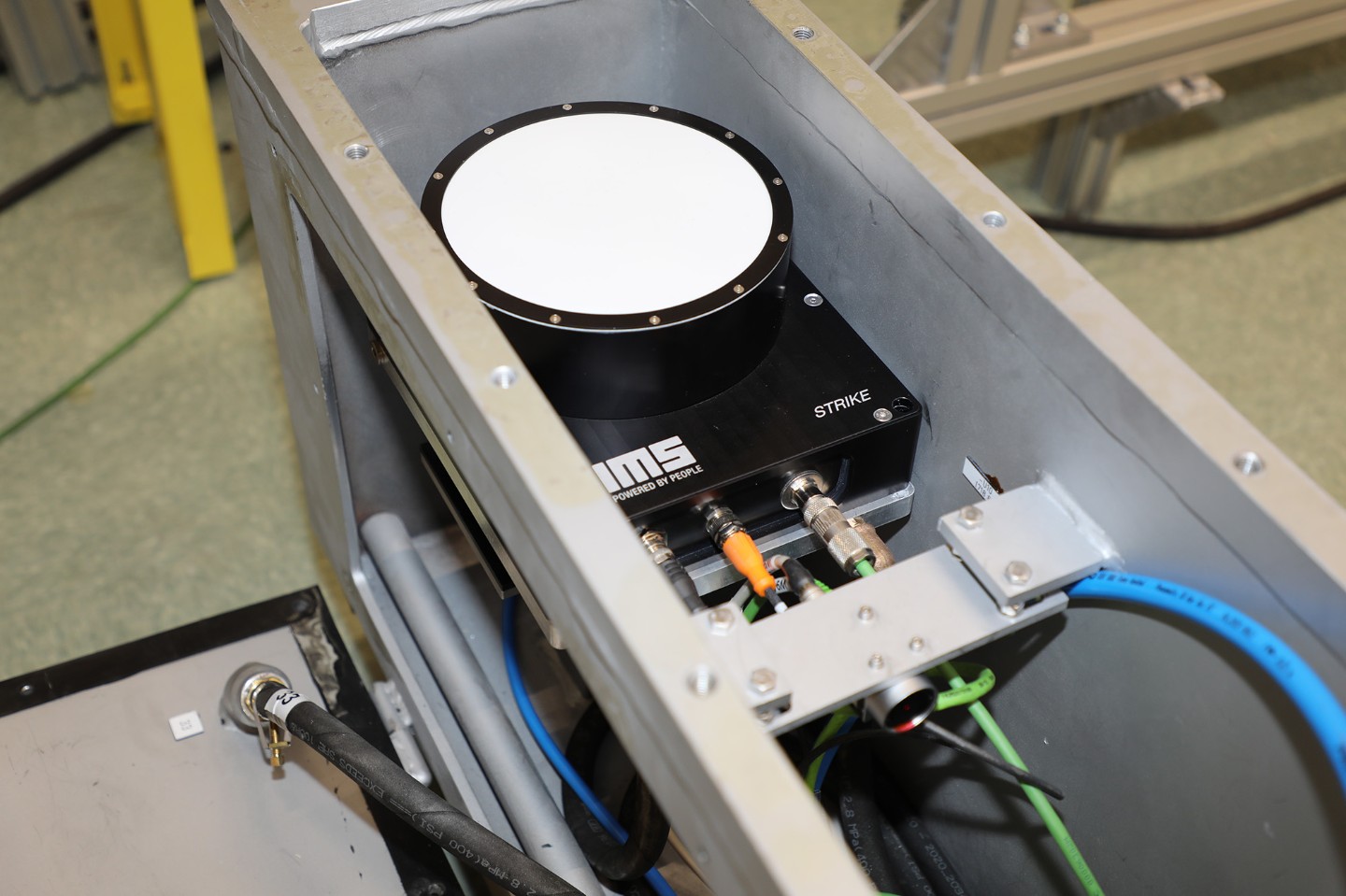
In the sensor system Strike, developed with IMS Messsysteme GmbH, two four-channel radar sensors are used. They are positioned above and below the steel strip and synchronously capture the reflected signals. An FPGA-based evaluation unit is integrated into the sensor. It calculates distance values in real time and allows strip thickness determination directly. The system achieves accuracies below 100 µm for flat-running strips and reaches below 150 µm for inclined strip surfaces.
Within the joint project RaDime, a consortium including Fraunhofer FHR is investigating how the efficiency of the sensor technology can be further improved. To this end, a dual-band SiGe MMIC is integrated into a real-time-capable multichannel MIMO millimeter-wave sensor module and combined with AI-based methods. This approach is intended to suppress interference, reduce measurement uncertainties, and enable stable thickness measurements even at very high strip speeds.
The Strike sensor has already been completed. Following the current testing phase to guarantee operational reliability, IMS Messsysteme GmbH will integrate the sensors into its measurement setup. Afterwards an initial measurement system will be delivered to a U.S. rolling mill.
The project RaDime, funded within the Industrie.IN.NRW innovation competition by the State of North Rhine-Westphalia and the European Union, is still at an early stage.
Both initiatives aim to ensure high product quality while minimizing scrap and energy consumption in rolling mills – without the use of ionizing radiation.
Project Partners RaDime: Fraunhofer FHR, IMST GmbH, Ruhr University Bochum, Bochum Institute of Technology.
More Info:
© Fraunhofer FHR
© Fraunhofer IMS
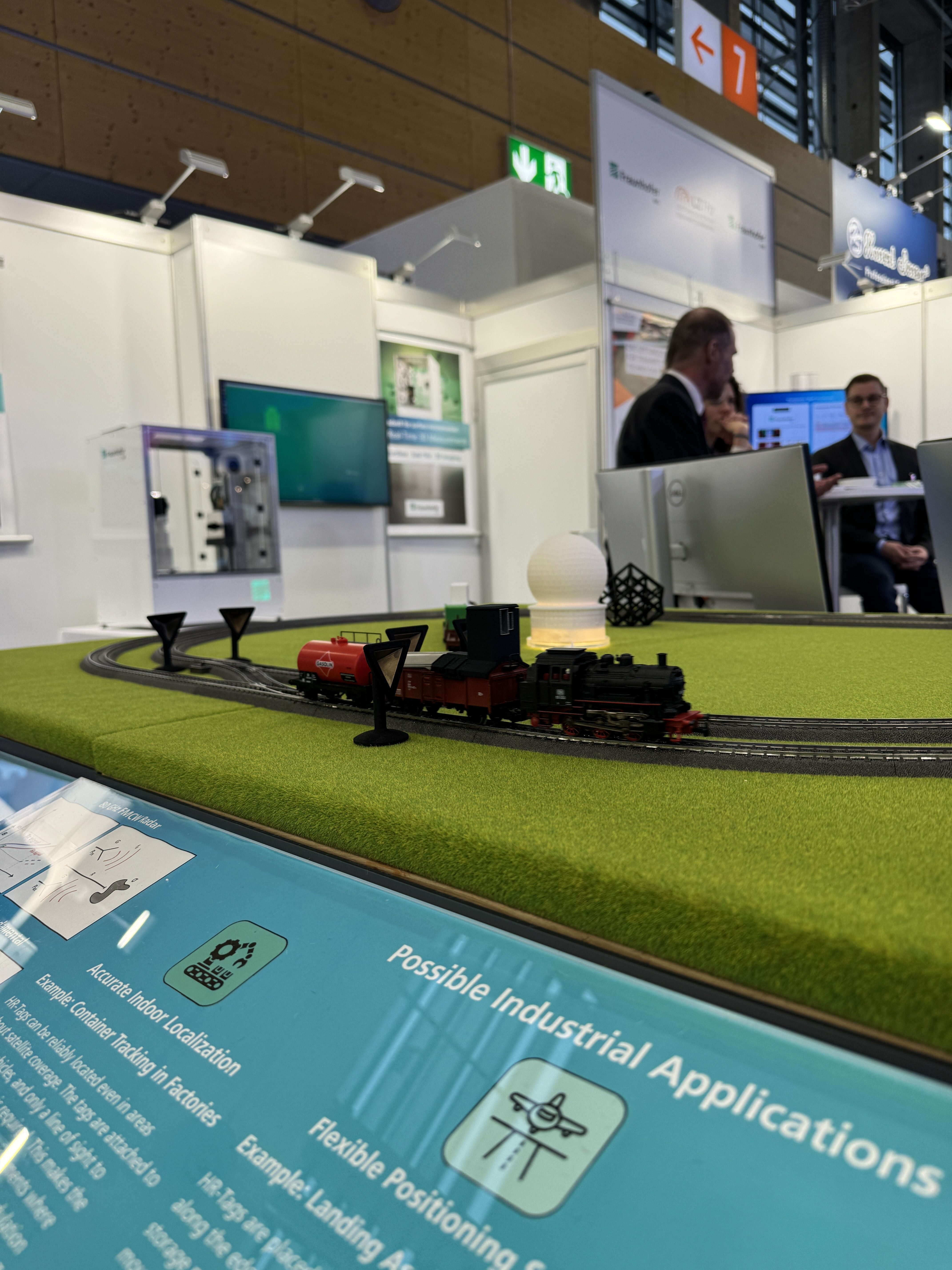
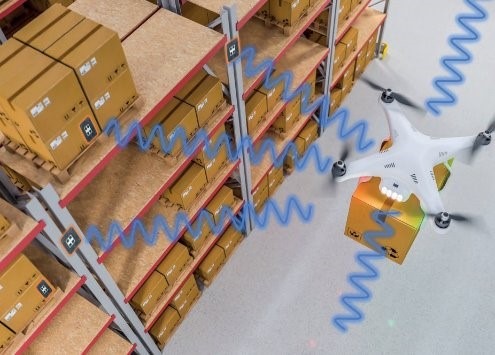
Intralogistics is highly complex due to dynamic environments and the interaction between robots, autonomous vehicles, and human operators. Precise and robust real-time localization is crucial for reducing throughput times and warehousing costs. Optical SLAM systems (simultaneous localization and mapping) are sensitive to dust, changes in lighting, and reflections, while RF-based methods using UWB, Bluetooth, or WLAN often fail to achieve the required sub-meter accuracy. Radar technology offers fundamental advantages in this context, yet suitable solutions for industrial warehouse applications have so far been unavailable.
Within the funded project SHIELD, industrial and research partners are developing a harmonic ISM radar system. It enables precise, interference-resilient, real-time position determination in intralogistics. Objects are marked with frequency-doubling tags and distributed, independent radar systems measure echo signals. They operate with high bandwidth at 61 and 122 GHz. The system enables highly accurate 3D localization and works even under multipath propagation conditions. The project also focuses on robust signal processing, scalable system architectures and it ensures straightforward integration into existing logistics environments.
The project, funded by the European Union and the State of North Rhine-Westphalia within the EFRE/JTF NRW program, will run until 2027. The objective is highly precise, real-time localization independent of lighting conditions, dust, or reflections, remaining stable even in dynamic and complex warehouse environments. This will enable more efficient control of logistics processes, avoidance of collisions, and significant reductions in throughput times and operational costs.
Partners: Fraunhofer FHR, Ruhr University Bochum, Fraunhofer IML, TU Dortmund University, SDFS Smarte Demonstrationsfabrik Siegen GmbH, Würth Industrie Service GmbH & Co. KG, and Heuel & Löher GmbH & Co. KG (consortium lead).
More Info:
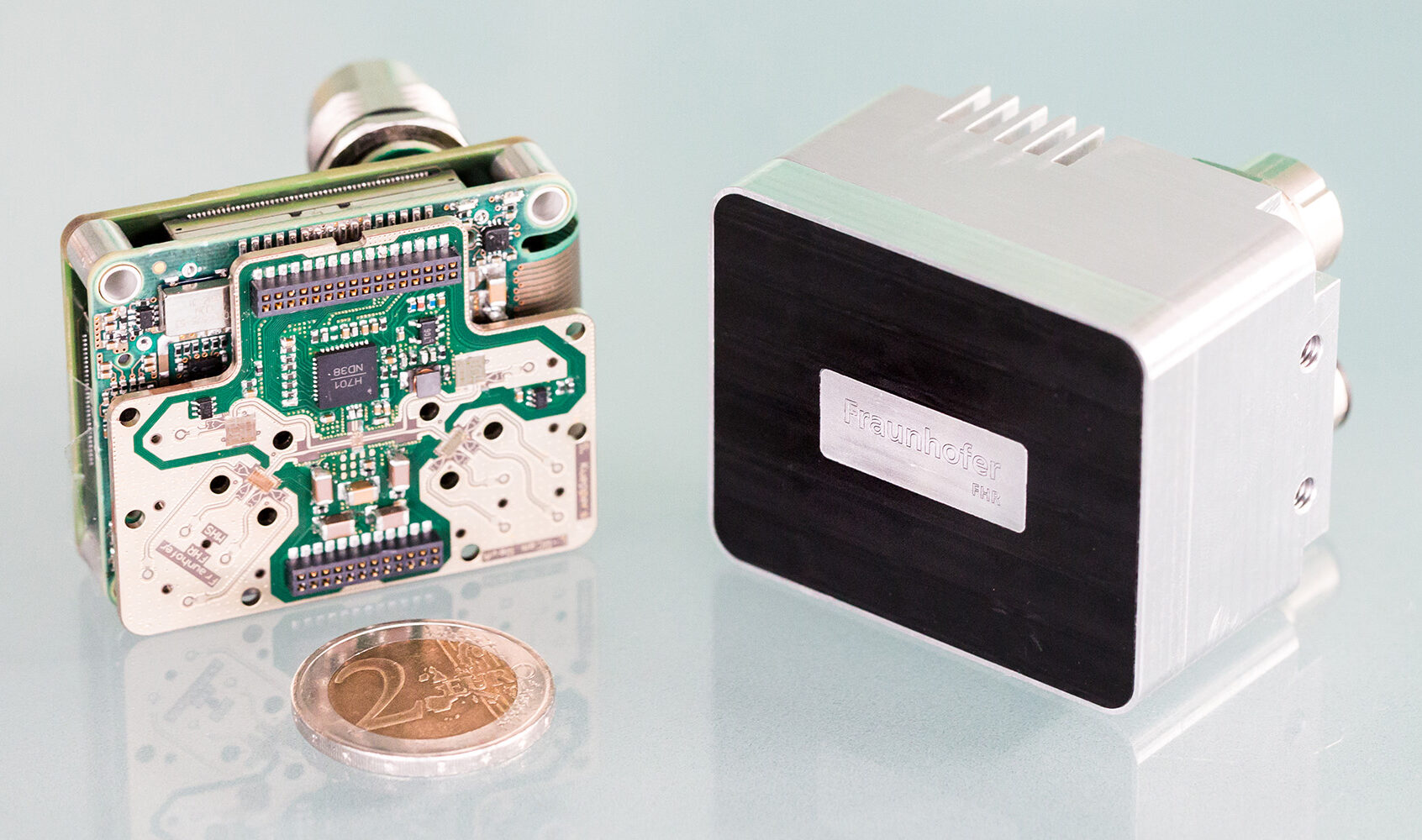
Test setups of radar reader and tag to demonstrate the principle in the laboratory. © Fraunhofer FHR
© Fraunhofer FHR
Motion analysis after accidents, illness, or surgery can provide valuable information for rehabilitation and auch support a faster recovery process. However, such analyses currently require considerable effort and are only possible in specialized clinics or medical practices. Continuous monitoring in everyday environments or over long periods is not yet feasible. Long-term monitoring could detect postural problems early after surgery and would enable timely orthopedic or physiotherapeutic interventions. This could support lasting recovery outcomes for patients and reduce downstream healthcare costs.
As part of the Reha-To-Go project, Fraunhofer FHR developed miniaturized high-frequency harmonic radar systems. They consist of distributed RFID-Tags, which are placed at key positions in patients’ clothing. A compact radar reader captures the signals send by the tags and determines their positions with high precision. To achives this, the system uses 61 GHz for the fundamental transmit channel and 122 GHz for the harmonic receive channel. Thus, ist enables the capture of movement patterns in everyday life.
Within the project, precise positional tracking of individual tags on the body over time was successfully achieved, enabling accurate recording of patients’ movement patterns in daily life. Manufacturers of sensor or medical technology who are interested in realizing such systems for patient benefit are welcome to contact us regarding potential collaborations. The system also offers significant potential for additional applications, particularly in scenarios where conventional radar systems reach their limits due to strong clutter, and intralogistics, as explored in the SHIELD project, is one such example.
The project was funded by the European Regional Development Fund (ERDF).
Partners: Fraunhofer FHR, Ruhr University Bochum, ID4Us, Unyt, University of Duisburg-Essen, Heinrich Heine University Düsseldorf, University Hospital Essen, Paderborn University, and Luttermann.
© Fraunhofer IMS
© Fraunhofer FHR
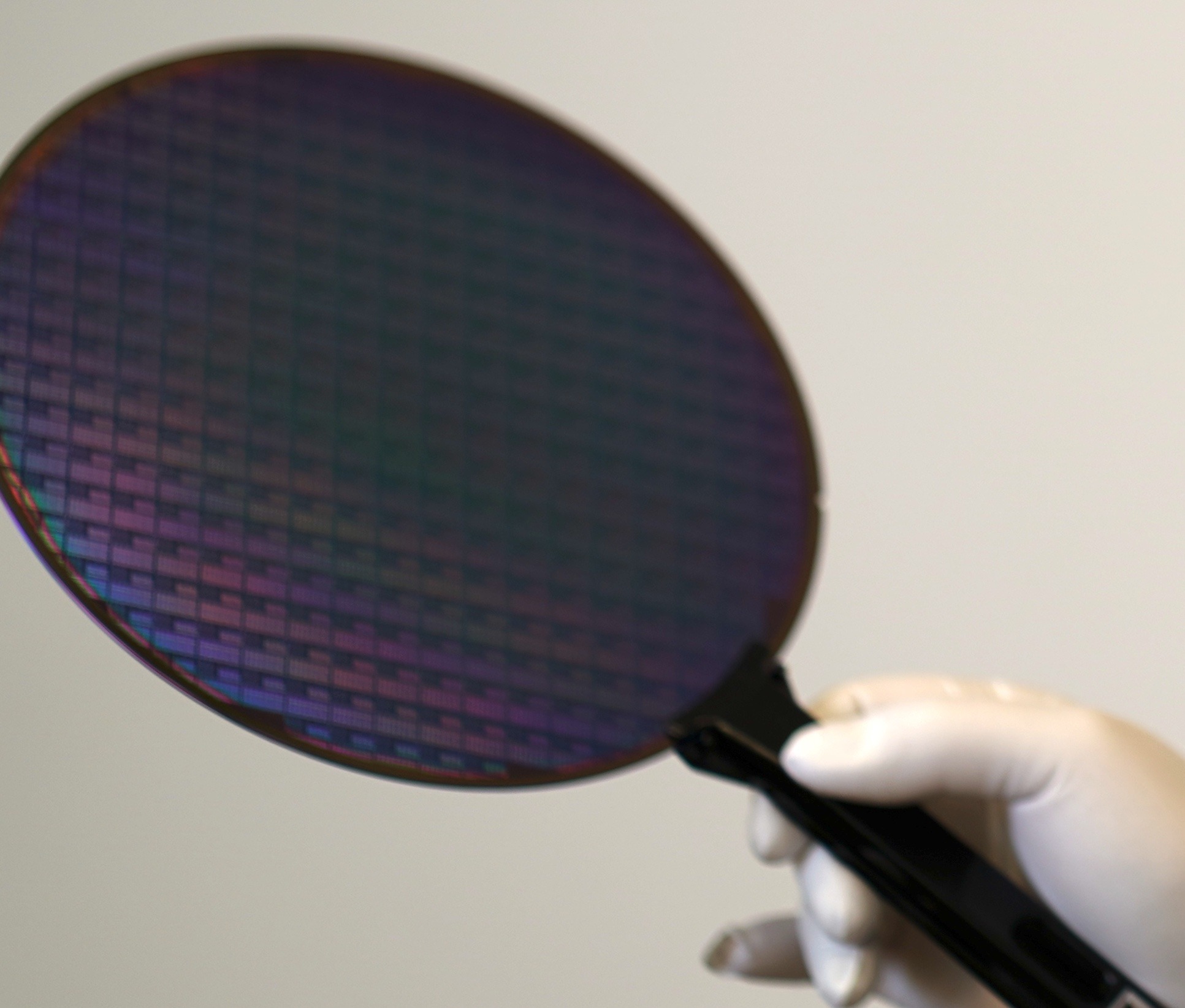
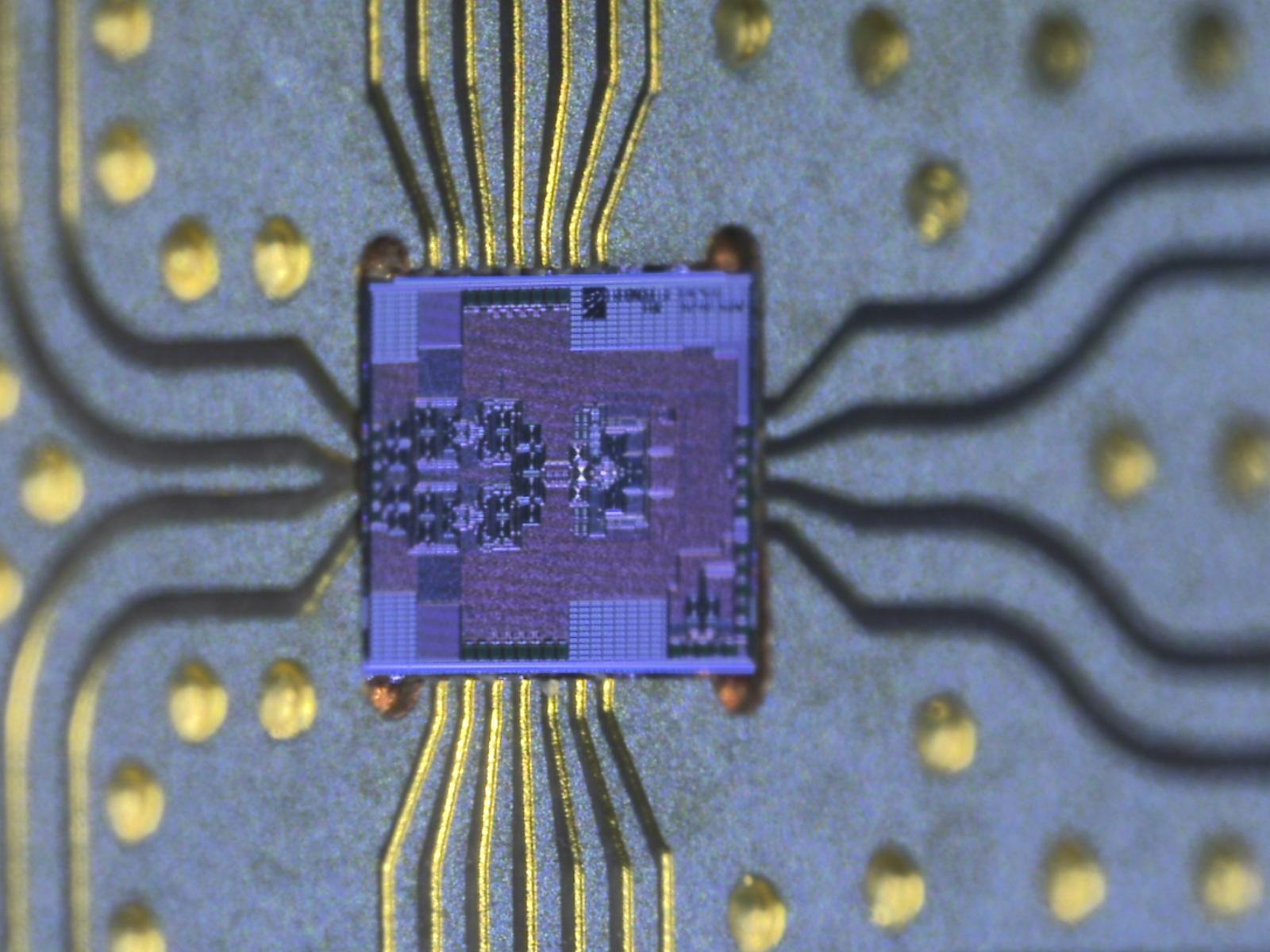
The Terahertz Sensory Performance Center brings together the expertise of the Fraunhofer Institutes FHR and IMS. As members of the Research Fab Microelectronics Germany, both institutes contribute their extensive capabilities in chip development to the major European initiative APECS – Pilot Line for Advanced Packaging and Heterogeneous Integration for Electronic Components and Systems.
Within the framework of the “Chips for Europe” initiative – co-funded by the Chips Joint Undertaking and national funding programs from Belgium, Germany, Finland, France, Greece, Austria, Portugal, and Spain – ten leading research partners from eight European countries are collaborating on the establishment of a pilot line for advanced packaging and the heterogeneous integration of electronic components and systems.
The objective is to strengthen Europe’s technological resilience and enhance the global competitiveness of its semiconductor industry. To this end, the latest advances in heterogeneous integration – particularly innovative chiplet technologies – are being translated into scalable, robust, and trusted heterogeneous systems.
More Info:
The potential of terahertz systems for current and future markets is vast. Put your innovative ideas into practice with us.
Adding {{itemName}} to cart
Added {{itemName}} to cart